In many African countries, especially Kenya, the economic playing field is anything but fair. While the political elite thrive in luxury, ordinary citizens are trapped in a system designed to keep them surviving, not succeeding.
Behind the speeches, manifestos, and promises lies a well-oiled machine, run by political power that controls your finances and limits your potential for prosperity.
Weaponizing Poverty for Political Control
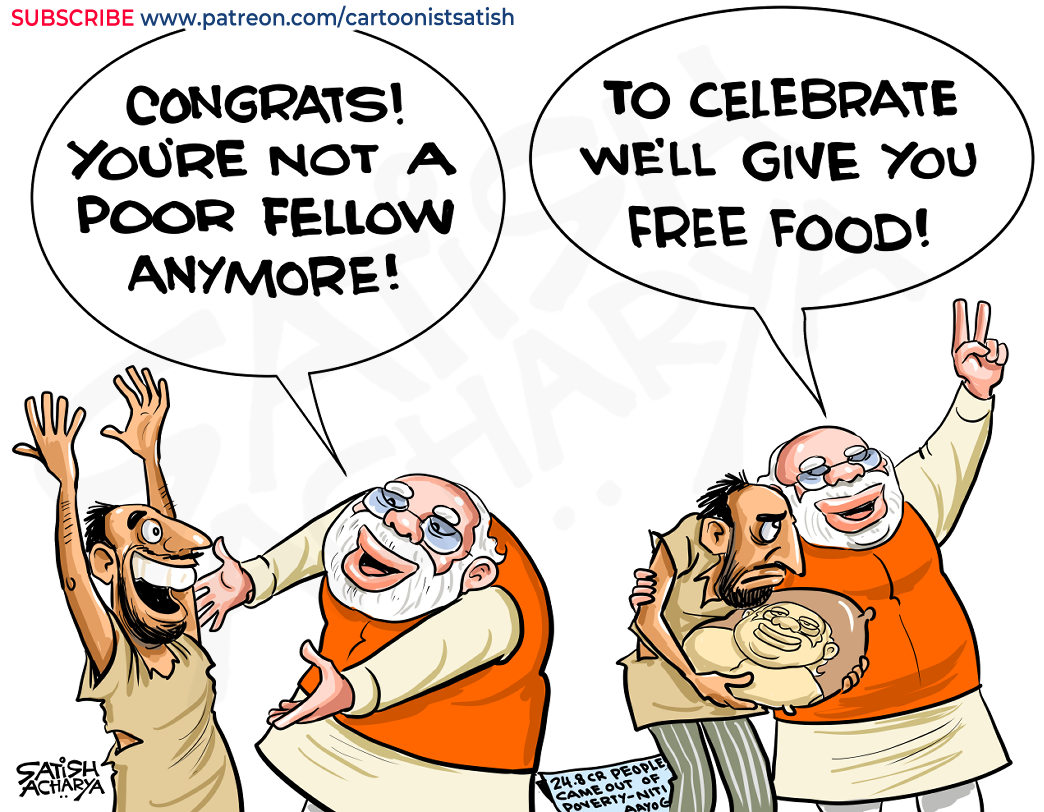
In Kenya, poverty is not just a statistic—it’s a political strategy. With over a third of the population living below the poverty line, many citizens remain dependent on government handouts, bursaries, and short-term “development projects” rolled out during election years.
These initiatives are rarely about real empowerment. Instead, they serve as tools to reinforce loyalty and manufacture consent.
By maintaining a population that is just getting by, politicians ensure a constant stream of voters who are too focused on daily survival to demand systemic reform.

Taxation Without Representation
Ordinary Kenyans are heavily taxed—from fuel, electricity, and airtime to food and mobile money transactions. Meanwhile, politically connected businesses receive tax waivers, bailouts, and lucrative tenders.
The burden of funding government extravagance—ghost projects, inflated procurement deals, and foreign debt repayments—falls on the shoulders of the poor.
In essence, the rich make the rules, and the poor pay the bills.
Public Debt: A Tool of Economic Enslavement
Kenya’s ballooning public debt—now in the trillions—has become another way the political elite mortgages the country’s future. Billions are borrowed in the name of development, only for large portions of these funds to be lost to corruption or used to finance politically motivated projects.
The repayment? That’s left to you, your children, and your grandchildren—through higher taxes and a weakened shilling.
Manipulating Currency and Inflation
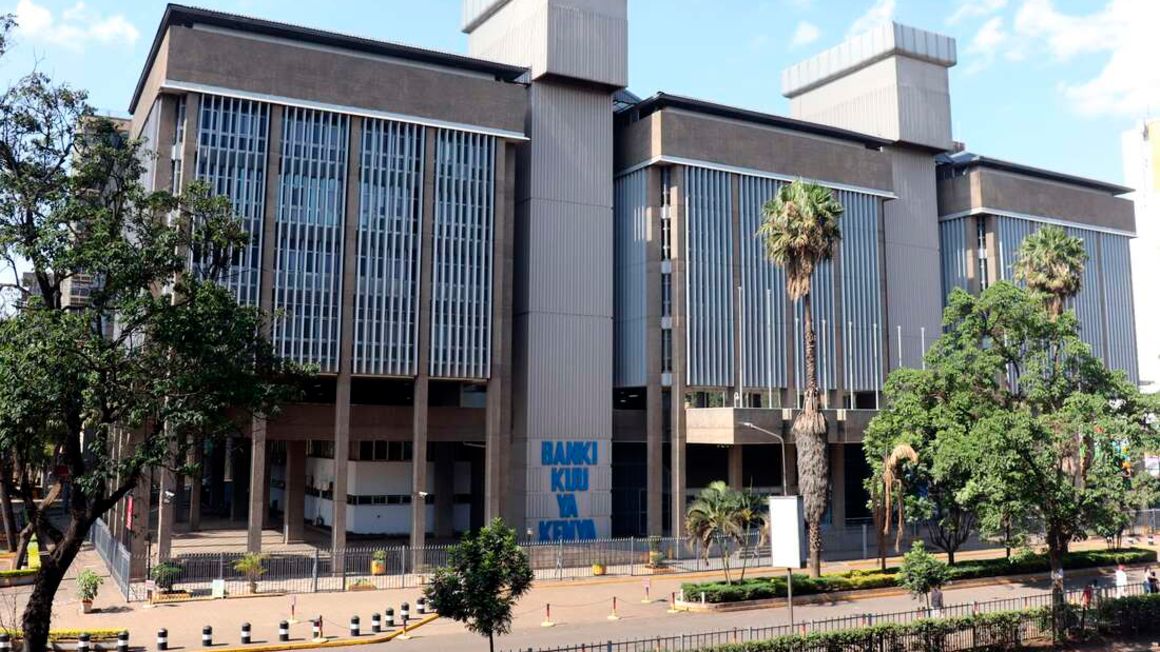
When politicians interfere with central banks and push unsustainable subsidies, it distorts the market. Inflation eats into savings. Interest rates rise, making loans unaffordable for small businesses and youth trying to build a future.
Meanwhile, those with political access use insider information to profit from forex manipulation and speculative investments.
The result: The rich get richer without risk, while the average Kenyan struggles to afford basic commodities.
Education and Employment: Controlled Outcomes
Why is quality public education always underfunded? Because ignorance and unemployment create desperation.
An educated and economically empowered population is harder to deceive and control. Keeping young people unemployed or underemployed ensures they remain dependent, disillusioned—and easy to sway with token offers like internships, “hustler fund” gimmicks, or last-minute job promises during campaigns.
The Way Out: Awareness, Unity, and Economic Resistance
The first step to breaking this cycle is understanding it. Kenyans must begin to see beyond political slogans and demand real economic reform—starting with transparency, accountability, and a shift from consumption-based policies to production-based ones.
Support for local businesses, cooperative savings schemes, decentralized entrepreneurship, and financial literacy can slowly reclaim control from the top. It’s not just about voting wisely—it’s about creating alternative systems where people, not politics, determine their economic future.
Until citizens organize economically and politically, the current system will continue rewarding those at the top while trapping millions in generational poverty.
What they fear most isn’t your vote. It’s your financial independence.