Defaults on loans taken to purchase homes, land, and vehicles surged by nearly 20% in 2024, rising to Sh173.3 billion, amid high interest rates and a sluggish economy that saw both households and businesses struggle with reduced earnings.
An analysis of the latest data from the Central Bank of Kenya (CBK) reveals that gross non-performing loans (NPLs) in the real estate and transport sectors rose by 18.7%, up from Sh146 billion the previous year.
The CBK attributed the sharp rise in defaults to a “challenging operating environment,” particularly in sectors such as real estate and transport and communication, where NPLs grew at more than double the rate of the industry average.
The elevated cost of credit and scaled-back government spending on development projects significantly slowed the circulation of money in the economy. This, in turn, dampened consumer demand, led to business losses and job cuts, and ultimately left many borrowers unable to service their loans on time.
In the real estate sector, bad loans rose by 16.62%, reaching Sh118.6 billion by December 2024, compared to Sh101.7 billion in the previous year. The default rate for the sector increased to 23.12% of the total loan book worth Sh513 billion, up from 19.98% of Sh509 billion in 2023. This suggests growing difficulty among borrowers in repaying mortgages and development loans used for purchasing land, constructing homes, or undertaking renovations.
The transport and communication sector saw an even sharper rise in defaults, with NPLs increasing by 23.48% to Sh54.7 billion. This reflects mounting pressure on borrowers who had taken loans to acquire both personal and commercial vehicles.
With rising defaults on secured loans, banks have increasingly turned to repossession and auctioning of collateral — including homes, land, and vehicles — as a recovery measure.
Garam Auctioneers CEO Joseph Gikonyo noted that while the number of repossessed properties has risen, the market has struggled to absorb them due to oversupply and weakened purchasing power.
“Every day, we are repossessing cars and attaching properties left, right, and centre,” Mr Gikonyo said in an earlier interview with Business Daily. “There has been a historic low in the uptake of auctioned assets despite the increase in supply.”
Some of the high-profile cases currently facing auction include developments by Erdemann Property Ltd and Suraya’s 62 apartments in Lonehill Estate, Nairobi, as well as luxury homes in Rosslyn Heights and land parcels in Imara Daima.
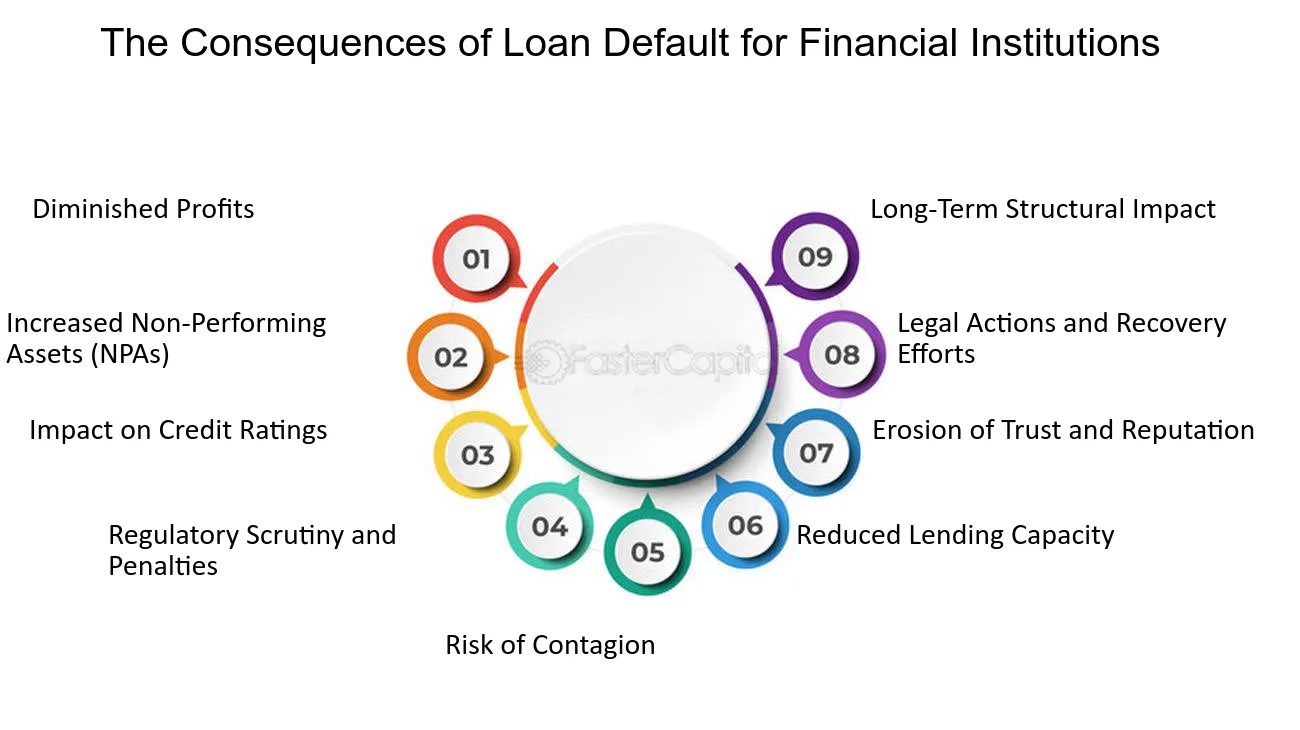
Banks typically pursue auctions as a last resort after other recovery efforts — such as loan restructuring — have failed.
“It is a difficult balance between protecting depositors’ funds and helping borrowers retain their homes,” said HF Group CEO Robert Kibaara. “We are legally required to send multiple legal notices, and the process takes about six months. But we also owe a duty to our depositors.”
The persistent decline in real earnings, which have remained negative for five consecutive years, has also left property developers unable to raise rental prices — a key revenue stream. According to HassConsult, rental prices in Nairobi fell marginally by 0.02% in 2024, highlighting landlords’ limited ability to pass on rising costs.
Among all sectors, real estate and transport posted some of the sharpest year-on-year increases in default rates, trailing only behind government-linked building and construction projects and agriculture, which was affected by adverse weather.
Overall, gross non-performing loans in the banking sector increased by 8.27% to Sh672.7 billion in 2024, underlining the widespread financial stress induced by high borrowing costs and declining consumer demand.