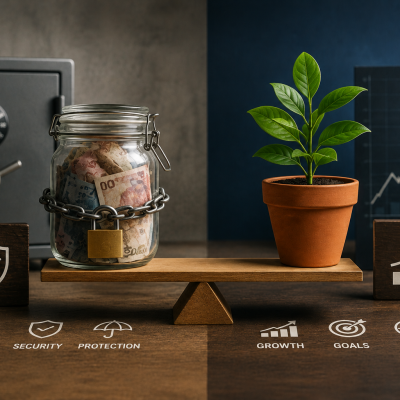
Good money management is rarely about one big financial decision. More often, it is the result of dozens of small choices you make every day.
It starts with simple habits: saving before spending, avoiding unnecessary debt and learning to live below your means. These decisions may not feel exciting, but over time, they can make a significant difference in your financial life.
One of the most important habits is paying yourself first. Instead of spending everything you earn and saving what remains, set aside money for savings as soon as you receive your income. Even a small amount saved consistently can eventually become a meaningful financial cushion.
Avoiding unnecessary debt is equally important. Not every purchase needs to be financed, and not every financial opportunity requires borrowing. Debt can quietly consume your future income through interest and repayments, making it harder to build wealth.
An emergency fund can also protect you when life does not go according to plan. Unexpected medical bills, job loss, repairs or family emergencies can quickly disrupt your finances. Having money set aside for such situations can prevent you from turning to expensive loans or credit.
Then there is investing. Once your basic financial foundation is in place, putting your money to work can help you build wealth over time. But good investing requires patience and careful decisions rather than chasing every opportunity that promises quick returns.
Perhaps one of the most underrated financial skills is knowing when to say no. You do not have to buy everything you can afford, keep up with someone else’s lifestyle or spend money simply because everyone around you is doing so.
Financial success can sometimes look boring. It may mean cooking at home, delaying a purchase, sticking to a budget, saving consistently and resisting the temptation to show off.
But that is exactly the point.
Building wealth is often less about making extraordinary financial moves and more about making ordinary, sensible decisions consistently.
The small choices you make with your money today can determine how much financial freedom you have tomorrow.