Finance Act 2026: It’s Time to Review Your Financial Plan
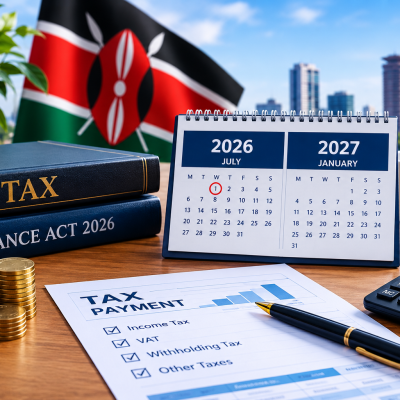
Every new financial year brings changes that can affect our income, spending, savings, and investment decisions. With the implementation of Kenya’s Finance Act 2026, individuals and businesses alike are adjusting to a new tax and compliance environment.
While most headlines focus on government policy, the real question for many Kenyans is simple:
“What does this mean for my personal finances?”
Whether you’re employed, self-employed, running a small business, or investing for the future, now is the perfect time to review your financial strategy.
1. Know Where Your Salary Goes
Many employees only focus on their net salary while overlooking the deductions that affect their take-home pay.
Your payslip may include deductions such as:
- PAYE
- SHIF contributions
- NSSF contributions
- Affordable Housing Levy
Understanding these deductions helps you budget more effectively and avoid financial surprises each month. Instead of planning around your gross income, build your monthly budget using your actual disposable income.
2. Build an Emergency Fund Before Investing
Recent economic uncertainty has reminded many Kenyans that financial stability starts with liquidity.
Before chasing high investment returns, ensure you have an emergency fund that can comfortably cover at least three to six months of essential expenses.
This fund can protect you against:
- Job loss
- Medical emergencies
- Unexpected business challenges
- Family emergencies
Think of it as your financial shock absorber.
3. Review Your Monthly Budget
Small changes in taxes, utility bills, transport costs, and everyday expenses can quietly reduce your purchasing power.
Take time this month to review:
- Fixed expenses
- Variable expenses
- Savings
- Debt repayments
- Investment contributions
If you haven’t reviewed your budget in over six months, you’re probably spending money on subscriptions or habits that no longer add value.
4. Don’t Pause Your Investments
Whenever economic policies change, many people stop investing because they want to “wait and see.”
History shows that disciplined investors who continue investing consistently often outperform those who constantly try to time the market.
Rather than investing large amounts irregularly, consider making consistent monthly investments according to your financial goals and risk tolerance.
Consistency often matters more than timing.
5. Small Business Owners Should Stay Tax Compliant
If you operate a side hustle or a growing business, compliance should not be viewed as a burden—it is part of building a sustainable business.
Keeping proper financial records and understanding current tax requirements can help you:
- Avoid unnecessary penalties
- Improve access to financing
- Make better business decisions
- Build credibility with partners and investors
As tax administration continues to become more digital, maintaining accurate records is more important than ever.
6. Take Advantage of Economic Recovery
Recent data suggests that Kenya’s private sector is showing early signs of improvement after several months of contraction.
For entrepreneurs, this presents opportunities to:
- Strengthen customer relationships
- Improve operational efficiency
- Invest in staff training
- Expand strategically instead of aggressively
Economic recoveries reward businesses that prepare before demand fully returns—not after.
7. Invest in Financial Knowledge
The highest-return investment isn’t always found in the stock market.
Sometimes it’s investing in yourself.
Understanding budgeting, taxation, investing, debt management, and financial planning can produce lifelong returns that compound over time.
Financial literacy helps you make informed decisions regardless of changing economic conditions.
Final Thoughts
Government policies will continue to change. Markets will rise and fall. Inflation will fluctuate.
The one factor you can control is how prepared you are.
Instead of reacting to every headline, focus on building strong financial habits:
- Spend intentionally.
- Save consistently.
- Invest wisely.
- Stay informed.
- Review your finances regularly.
Personal finance is not about predicting the future—it’s about being financially prepared for it.