In Kenya today, conversations around personal finance are becoming more important than ever—especially with the rising cost of living, unpredictable job markets, and the growing number of financial tools available. If you’ve ever asked yourself, “Should I save or invest?”, then you’re not alone. Many Kenyans are looking for smart ways to make their money work harder for them.
While saving and investing are both ways to build wealth, they serve different purposes—and knowing the difference could be the key to unlocking your financial future.
Saving: Your Financial Safety Net
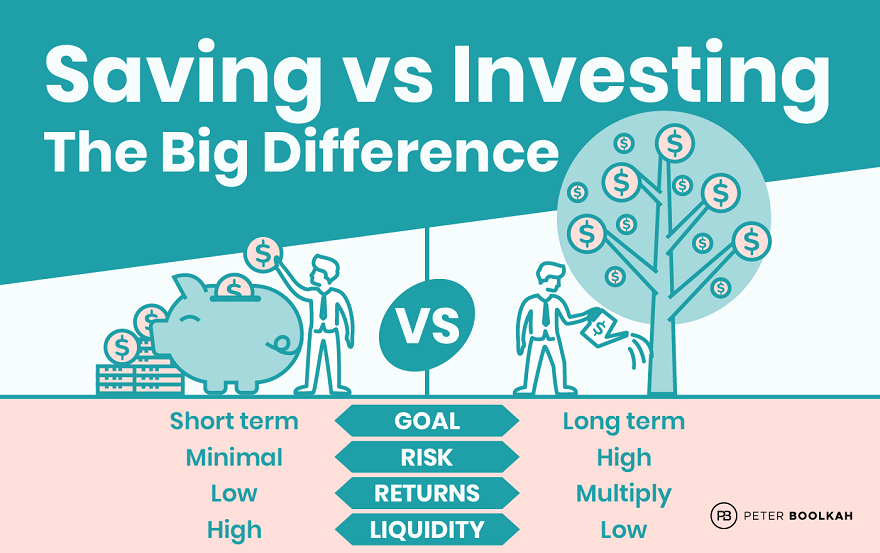
Saving is the act of putting money aside in a secure place, like a bank account or a mobile wallet, with the intention of accessing it quickly when needed. For many Kenyans, saving through M-PESA, SACCOs, or fixed deposit accounts is a familiar starting point.
Why save?
-
Emergency funds: Life is unpredictable. From medical emergencies to job losses, having 3–6 months’ worth of expenses saved up can be a lifesaver.
-
Short-term goals: Planning a wedding, school fees, or a December holiday? Saving helps you meet these goals without borrowing.
-
Peace of mind: There’s comfort in knowing you have cash set aside for the unexpected.
But there’s a downside: the interest earned from most savings accounts in Kenya rarely beats inflation. That means while your money is safe, it may lose value over time.
Investing: Growing Your Money Over Time
Investing, on the other hand, is about putting your money into assets like shares, government bonds, real estate, or unit trusts—with the goal of growing it over the long term. It involves some risk, but also the potential for higher returns.
Why invest?
-
Wealth building: Investments can generate passive income and grow your money faster than savings.
-
Beating inflation: Smart investments often outpace inflation, ensuring your money maintains or increases in purchasing power.
-
Achieving long-term goals: Whether it’s buying a home, starting a business, or retiring comfortably, investing is key.
That said, investing comes with risk. Markets fluctuate. Returns are not guaranteed. But with proper research and patience, investing is a powerful tool.
So, Which One Is Right for You?
The truth is, you probably need both.
-
Start by saving for emergencies and short-term needs.
-
Once you have a safety net, consider investing any extra funds to grow your wealth.
Key Questions to Ask Yourself
-
What are my financial goals?
Are they short-term (e.g., paying school fees) or long-term (e.g., retirement)? -
What’s my risk tolerance?
Are you comfortable with market ups and downs, or do you prefer guaranteed returns? -
How much can I afford to set aside regularly?
Whether it’s KES 500 or KES 5,000, consistency matters more than the amount.
Understanding the difference between saving and investing is essential. Saving gives you security. Investing gives you growth. Used together, they are powerful tools that can transform your financial journey.
Don’t wait to earn more money before you start—begin with what you have. Whether it’s opening a SACCO account or exploring Treasury Bills through CBK’s Dhow CSD, the path to financial freedom starts with the first step.